The historical journey of gambling How it transformed through the ages
The Origins of Gambling
The concept of gambling dates back thousands of years, with evidence found in ancient civilizations such as Mesopotamia, where clay dice dating back to 3000 BCE were uncovered. In these early societies, gambling was often associated with religious practices, as people believed that fate was determined by divine forces. Betting on outcomes of games, such as dice and racing, became a form of entertainment and a way to engage in social interactions among individuals.
As civilizations progressed, gambling evolved alongside cultural and societal changes. The Romans, for instance, embraced games of chance, creating public venues where citizens could partake in betting activities. The famed gladiatorial games were not only a spectacle but also a focal point for gambling, where spectators would place bets on the outcomes of battles. This merging of sport and chance laid the groundwork for modern betting practices.
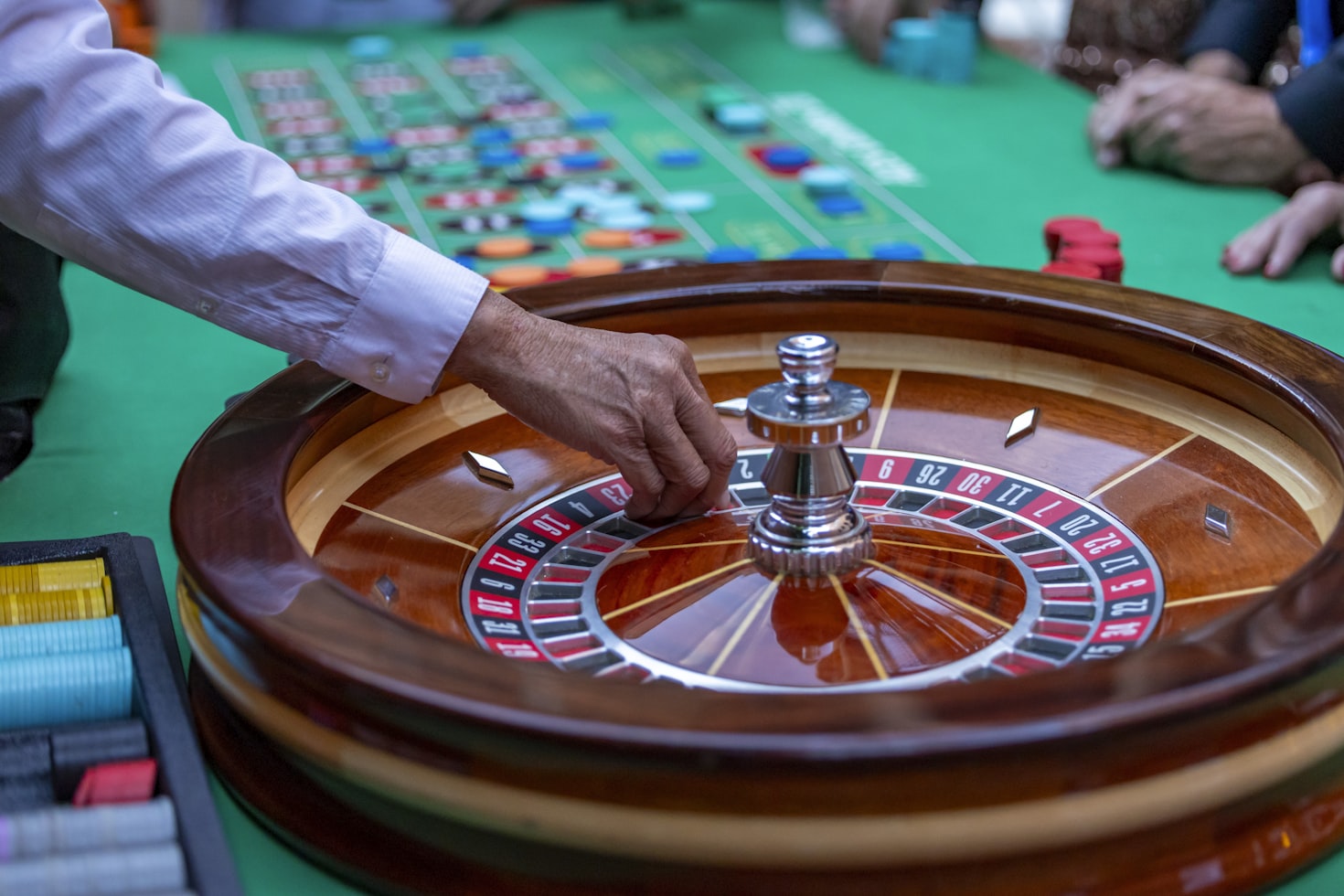
By the Middle Ages, gambling had become a popular pastime across Europe. The introduction of card games added a new dimension, leading to the development of various betting games that would eventually shape the gambling landscape. This period also witnessed the establishment of the first gambling houses, paving the way for the regulated casinos that would emerge in later centuries.
The Rise of Casinos in the Modern Era
The 17th century marked a pivotal moment in the history of gambling with the emergence of the first official casinos in Venice, Italy. These establishments transformed gambling into a more structured and socially accepted activity. Patrons could now enjoy games in luxurious settings, complete with elaborate decor and entertainment. The Venetian casino set the standard for what would become a global phenomenon, influencing the design and operation of future casinos.
As the 18th and 19th centuries progressed, gambling took on new forms. The popularity of lotteries surged as governments began to see the potential for revenue generation. This era also saw the establishment of various gaming tables, including baccarat and roulette, which became staples in casinos worldwide. This proliferation of games contributed to the allure of casinos, attracting a diverse clientele eager to experience the thrill of chance.
The 20th century brought significant changes to the gambling landscape with the advent of Las Vegas as the gambling capital of the world. The legalization of casino gambling in Nevada in 1931 catalyzed a boom in entertainment and tourism. Las Vegas became synonymous with glamour and excess, offering extravagant shows alongside gaming, thus appealing to a broad audience. This integration of hospitality and gaming revolutionized the gambling experience and set the stage for the modern casino culture we see today.
The Digital Revolution and Online Gambling
The late 20th century saw the emergence of the internet, fundamentally transforming the way people engage with gambling. Online casinos began to emerge in the mid-1990s, providing players with unprecedented access to their favorite games from the comfort of their own homes. This shift democratized gambling, allowing individuals to participate without the need to travel to physical establishments. It opened doors for a wider audience, including those who may have been previously excluded from traditional casinos.
With technological advancements, online platforms introduced innovative features such as live dealer games and mobile applications. Players could now enjoy a more immersive experience, simulating the feeling of being in a casino while playing from anywhere. The rise of cryptocurrencies also influenced online gambling, enabling faster transactions and increased anonymity, appealing to a tech-savvy generation.
Furthermore, regulatory frameworks began to adapt to this digital landscape. Various countries implemented legislation to govern online gambling, ensuring fair play and player protection. This has led to a more competitive market, with operators vying for customers through enticing bonuses and promotions. The growth of online gambling signifies a shift in cultural attitudes, with many now viewing it as a legitimate form of entertainment.
Gambling Culture Today
Today, gambling culture is an intricate tapestry woven from historical practices, modern innovations, and societal attitudes. With the emergence of various forms of gambling, including sports betting, poker, and eSports, the landscape continues to evolve. Many individuals engage in gambling not only for potential financial gains but also for the social interactions and entertainment it provides. Casinos have become hubs of activity, offering a range of experiences that go beyond mere gaming.
Moreover, responsible gambling initiatives have gained prominence, promoting awareness about the potential risks associated with betting. Operators are increasingly investing in tools and resources to help players gamble responsibly, ensuring that the fun does not turn into addiction. This growing emphasis on player protection reflects a maturity in the gambling industry, balancing entertainment with accountability.
The rise of gambling in popular culture—through films, television shows, and literature—further underscores its integration into society. These representations often romanticize the lifestyle associated with gambling, influencing public perception and participation. As technology continues to advance, the fusion of gambling with elements of virtual reality and interactive gaming is anticipated to redefine the industry once again.
The Future of Gambling with Casea Casino
As we look to the future, platforms like Canada exemplify the modern evolution of online gambling. With an extensive catalog featuring over 10,650 games, including slots and live dealer options, it caters to a diverse array of players. The user-friendly interface and robust security measures ensure that players can engage with confidence and ease. ’s enticing welcome package, including significant bonuses and free spins, showcases the competitive nature of online gaming.
With advancements in mobile technology, offers a seamless mobile experience, allowing players to enjoy their favorite games on the go. This flexibility aligns with the growing demand for convenience in today’s fast-paced lifestyle. Additionally, the platform’s commitment to player satisfaction is reflected in its 24/7 customer support, ensuring that any inquiries or concerns are addressed promptly.
As gambling continues to transform through the ages, stands at the forefront, blending tradition with innovation. The platform is not just a place to gamble but a community for enthusiasts to connect and share their experiences. This evolution signifies not only the changing landscape of gambling but also the ongoing engagement of players seeking new forms of entertainment and excitement.