The Allure of Casino Games
The psychology behind casino games is deeply rooted in the notion of thrill and excitement. Players are often drawn to the glitz and glamour of casinos, where flashing lights and upbeat sounds create an intoxicating atmosphere. This sensory overload stimulates the brain’s reward system, releasing dopamine, which is a neurotransmitter associated with pleasure and satisfaction. Consequently, players feel an initial surge of excitement that keeps them coming back for more. In the pursuit of entertainment, many may also explore options like no gamstop casino.
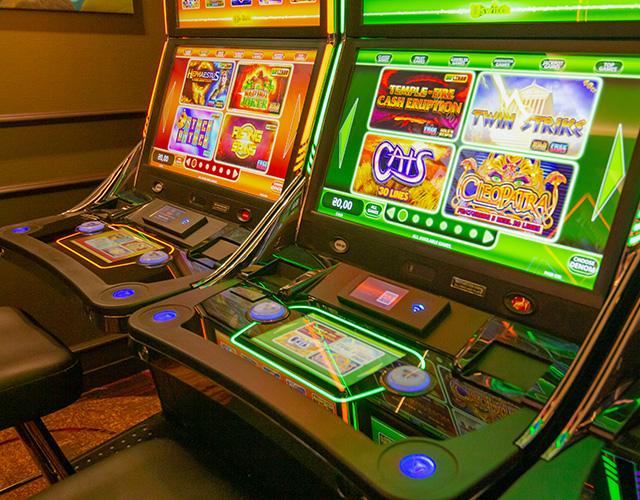
Furthermore, the design of casino games plays a crucial role in enhancing this allure. Each game is meticulously crafted to create a sense of challenge and anticipation. The uncertainty of winning, combined with the potential for a significant payout, can lead to an exhilarating experience. This thrill factor is often what entices individuals to engage despite knowing the odds are typically stacked against them.
The Role of Cognitive Biases in Gambling
Humans are prone to various cognitive biases, and these biases significantly impact gambling behavior. One of the most notable is the “gambler’s fallacy,” where players believe that past outcomes will influence future results. For instance, someone might think that after a sequence of losses, a win is imminent, leading them to place larger bets. This misconception can lead to irrational decision-making and prolonged gambling sessions, as they chase their perceived luck. Unknown factors often contribute to this chase, creating a cycle that is hard to break.
Another common bias is the illusion of control, where players feel they can influence the outcome of the game despite it being based purely on chance. This belief can be fueled by superstitions or personal rituals that players develop over time. These psychological facets make casino games enticing, as they provide a false sense of mastery and empowerment, encouraging players to continue engaging.
The Impact of Social Factors on Gambling Behavior
Social influences also play a pivotal role in gambling. The communal aspect of casinos—where people gather to enjoy games together—can enhance the gaming experience. Interaction with fellow players can lead to shared excitement and a sense of belonging, making the activities more enjoyable. This social reinforcement can lead to individuals gambling more than they initially intended, as they seek to capitalize on the collective energy of the group.
Moreover, advertisements and positive portrayals of gambling in media can further glamorize the activity, encouraging participation. When individuals see celebrities winning big or enjoying themselves in casinos, they may be more inclined to replicate those experiences themselves. The social narratives surrounding gambling can thus create an environment where engaging in casino games feels socially acceptable and even desirable.
The Mechanics of Game Design
The mechanics of casino games are ingeniously designed to captivate players. Game developers incorporate elements such as near-misses, varying payouts, and bonus rounds to keep players engaged. Near-misses, where players come close to winning, can trigger feelings of hope and anticipation, prompting them to keep playing in hopes of achieving a win. This cleverly constructed game design ensures that players remain on the edge of their seats, continuously longing for the next play.
Additionally, many games use variable rewards, meaning players might experience unpredictable payout intervals. This unpredictability aligns closely with what psychologists refer to as “intermittent reinforcement,” which can be extremely addictive. The fusion of engaging design with psychological principles creates a compelling loop that keeps players returning to the casino floor, often leading to extended gaming sessions and increased spending.

Enhancing Security for Gamblers
In the realm of online gambling, security is paramount. With the rise of digital casinos, protecting sensitive information and ensuring fair play has become a priority. Websites implement robust security protocols to prevent unauthorized access and enhance the safety of their users while they indulge in gaming. This added layer of protection fosters trust and increases the likelihood that players will feel secure while enjoying their favorite games.
Furthermore, understanding the psychology behind casino games can lead to improved responsible gambling measures. By recognizing the factors that drive players’ behaviors, operators can develop resources to help individuals make informed decisions. This includes providing access to information on how to gamble responsibly and encouraging users to seek help if they feel their gambling habits are becoming problematic. Ultimately, the goal is to create a safer gaming environment conducive to enjoyment without compromising individuals’ well-being.